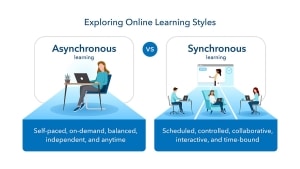
Advance your nursing career with Unitek College of Nursing’s Associate of Science in Vocational Nursing (ASVN) program, designed for licensed Vocational Nurses who want to strengthen their clinical knowledge and expand their professional opportunities. Built for working nurses, the program allows students who hold a diploma from an approved Vocational or Practical Nursing program to complete their associate degree in as little as 12 months through an online learning format. The curriculum continues Unitek’s commitment to compassionate, patient-centered care while building on the clinical judgment, leadership awareness, and professional communication skills needed in modern healthcare environments. Through structured coursework guided by experienced faculty, students deepen their understanding of nursing practice, healthcare systems, and patient care management while preparing for greater responsibility within their role.
ONLINE COURSES FOR BUSY ADULTS
Complete your coursework online with a flexible format designed for working nurses balancing school, work, and family.
BVNPT
This program is approved by the California Board of Vocational Nursing and Psychiatric Technicians (BVNPT).
CAREER-FOCUSED TRAINING
ASVN Graduate Placement Rate*
96%
View all
Enroll before our next start date.
Enroll Today
If you wish to apply or learn more about our online Associate Degree in Vocational Nursing (ASVN) program, submit a request form today and our admissions team will contact you shortly.
Our fully online ASVN curriculum builds on your Vocational Nursing diploma through a flexible sequence of general education courses. Many are aligned with the BSN pathway, along with virtual nursing experiences that strengthen clinical judgment and deepen your understanding of patient care. Earning your associate degree can expand your opportunities across clinics, physician offices, long-term care facilities, and related fields such as education, medical research, pharmacy, and medical equipment.
Course Totals
35Credit hours
Course
Credit Hours
ENG100 – English Composition
3
MTH100 – Intermediate Algebra
3
FYE100 – Foundations of Success
1
CHM215 – General Chemistry
3
CHM215L – General Chemistry Lab
1
SOC100 – Introduction to Sociology
3
BIO200 – Anatomy & Physiology I
3
BIO200L – Anatomy and Physiology I Lab
1
ENG300 – Advanced English Composition
3
BIO215 – Anatomy & Physiology II
3
IO215L – Anatomy and Physiology II Lab
1
PSY115 – Lifespan Development
3
MIC215 – Microbiology
3
MIC215L – Microbiology Lab
1
NUT100 – Nutrition
3
Employment Assistance
Our ASVN program includes dedicated career support to help you confidently transition into the workforce. From interview preparation and résumé development to job search guidance and employer connections, our Career Services team works with you one-on-one to prepare for LVN roles in clinics, long-term care facilities, physician offices, and other healthcare environments.
Tuition and Financial Aid
Tuition for the ASVN program varies depending on your individual circumstances and transfer credits. Financial aid is available for those who qualify. Our experienced representatives can walk you through the full process, from determining eligibility to applying for grants, loans, and other forms of assistance.
Career-Ready Training
The ASVN curriculum is designed to strengthen your clinical knowledge and broaden your academic foundation so you can succeed as a Licensed Vocational Nurse. Through online coursework and virtual nursing experiences, you’ll build the clinical judgment, communication skills, and professional readiness needed to thrive in today’s healthcare settings.
A Career in Vocational Nursing
Our online ASVN curriculum can elevate your career as a Licensed Vocational Nurse (LVN), preparing you for the essential work LVNs perform across nursing and residential care facilities, hospitals, physicians’ offices, home health, and other healthcare settings. LVNs monitor patient health, report adverse reactions, and document medical histories, while also completing insurance forms, pre-authorizations, and referrals to support coordinated care. They frequently collaborate with interdisciplinary teams to determine patient-care plans and may supervise nursing assistants and aides.
In some states and facilities, LVNs can administer prescribed medications, start intravenous fluids, and care for ventilator-dependent patients. According to the BLS, the mean annual wage for LVNs was $64,150* in May 2024, illustrating that this role can deliver a meaningful and solid foundation for your career. As of August 2025, the BLS also projects that employment for licensed practical and licensed vocational nurses will grow 3 percent from 2024 to 2034, reflecting steady, ongoing demand across the healthcare field.
Frequently Asked Questions
Tuition varies based on your transfer credits and campus location. Your Admissions Representative will review the full cost breakdown with you, including tuition, fees, and any prerequisite coursework needed before you begin.
Qualified students may access federal grants, student loans, scholarships, and other forms of aid. Our Financial Aid team is here to help you understand your options and complete the required applications.
Yes. Flexible payment plans are available to help you manage your educational expenses while staying focused on your ASVN coursework.
Students receive personalized support throughout the program, including financial counseling, tutoring resources, academic advising, and career placement assistance after graduation.
We recommend submitting your FAFSA as early as possible, ideally before your program start date, to maximize your eligibility for federal aid.
Applicants must hold a diploma from a board-approved Vocational or Practical Nursing program and provide proof of high school education or equivalent. Additional requirements may include completing prerequisite courses, a background check, and an admissions interview.
Yes. The ASVN program is designed specifically for licensed Vocational or Practical Nurses who have already completed VN or PN training. No additional clinical experience beyond that is required. In as little as 12 months.
Application fees vary by campus. Your Admissions Representative will share the exact amount for your location.
Yes. The ASVN curriculum is delivered fully online, with virtual learning experiences that expand your clinical judgment and academic foundation while allowing you to balance school with work and family.
Program length depends on your transfer credits. Most students complete up to 35 credit hours of general education and nursing-related coursework.
You’ll have access to faculty support, tutoring, academic advising, online resources, and career services to help you succeed from your first course to graduation.
LVNs provide essential bedside and practical nursing care under the supervision of RNs and physicians. They monitor patient health, document clinical information, support patient education, and assist with a range of procedures across many healthcare settings.
LVNs are employed in nursing and residential care facilities, hospitals, clinics, physicians’ offices, home health agencies, and other outpatient settings.
Absolutely. Earning your ASVN degree can expand your opportunities and strengthen your qualifications for leadership roles, specialty practice areas, or bridge programs that lead to RN licensure. Many LVNs pursue specialties such as gerontology, IV therapy, rehabilitation, and more.
According to the BLS, the mean annual wage for LVNs was $64,150* in May 2024, highlighting the strong earning potential of this role.
As of August 2025, the BLS projects 3 percent employment growth from 2024 to 2034, demonstrating steady demand for skilled LVNs across the healthcare industry.
Tuition varies based on your transfer credits and campus location. Your Admissions Representative will review the full cost breakdown with you, including tuition, fees, and any prerequisite coursework needed before you begin.
Qualified students may access federal grants, student loans, scholarships, and other forms of aid. Our Financial Aid team is here to help you understand your options and complete the required applications.
Yes. Flexible payment plans are available to help you manage your educational expenses while staying focused on your ASVN coursework.
Students receive personalized support throughout the program, including financial counseling, tutoring resources, academic advising, and career placement assistance after graduation.
We recommend submitting your FAFSA as early as possible, ideally before your program start date, to maximize your eligibility for federal aid.
Applicants must hold a diploma from a board-approved Vocational or Practical Nursing program and provide proof of high school education or equivalent. Additional requirements may include completing prerequisite courses, a background check, and an admissions interview.
Yes. The ASVN program is designed specifically for licensed Vocational or Practical Nurses who have already completed VN or PN training. No additional clinical experience beyond that is required. In as little as 12 months.
Application fees vary by campus. Your Admissions Representative will share the exact amount for your location.
Yes. The ASVN curriculum is delivered fully online, with virtual learning experiences that expand your clinical judgment and academic foundation while allowing you to balance school with work and family.
Program length depends on your transfer credits. Most students complete up to 35 credit hours of general education and nursing-related coursework.
You’ll have access to faculty support, tutoring, academic advising, online resources, and career services to help you succeed from your first course to graduation.
LVNs provide essential bedside and practical nursing care under the supervision of RNs and physicians. They monitor patient health, document clinical information, support patient education, and assist with a range of procedures across many healthcare settings.
LVNs are employed in nursing and residential care facilities, hospitals, clinics, physicians’ offices, home health agencies, and other outpatient settings.
Absolutely. Earning your ASVN degree can expand your opportunities and strengthen your qualifications for leadership roles, specialty practice areas, or bridge programs that lead to RN licensure. Many LVNs pursue specialties such as gerontology, IV therapy, rehabilitation, and more.
According to the BLS, the mean annual wage for LVNs was $64,150* in May 2024, highlighting the strong earning potential of this role.
As of August 2025, the BLS projects 3 percent employment growth from 2024 to 2034, demonstrating steady demand for skilled LVNs across the healthcare industry.
Accreditation
Unitek College is institutionally accredited by the Accrediting Commission of Career Schools and Colleges (ACCSC).
*These placement rates are based on program-specific and campus-specific data reported to our institutional accreditor(s) in 2024. While the figures shown here are not separately reported to our accreditor, they are derived from those outcomes. For full details by program and campus, please visit our Disclosures page.