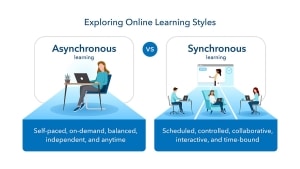
Generally speaking, the average class size is capped at 20 students for online courses and 40 for on-campus courses.
The schedule can change each year based on clinical availability. Please speak with an admissions representative for more details.
To get the most accurate answer, you will need to check with an admissions representative at Fremont. You can reach them anytime between 8:00am-5:00pm, Monday through Friday. Off-site clinical training can be scheduled during evenings and weekends.
Registered Nurses (RNs) coordinate patient care, educate patients, and supervise LVNs. RNs can also work in a variety of healthcare settings. Becoming a Registered Nurse requires years of schooling and rigorous testing.
Unitek offers courses that may be required for you by the BRN. These courses include: RN224A – Maternal/Newborn Nursing Theory, RN224B – Maternal/Newborn Nursing Clinical, RN404A – Complex Adult Health Theory, and RN404B – Complex Adult Health Clinical.
The course focuses on adult patients with unstable emergent critical illnesses. Students integrate nursing, technological and scientific knowledge with clinical judgment to potentiate optimal health with a diverse patient population. The course utilizes advanced nursing techniques, advanced nursing skills, and multiple nursing modalities to maximize optimal health.
Students integrate nursing, technological and scientific knowledge with clinical judgment to potentiate optimal health with a diverse patient population. Post-surgical units, telemetry units, emergency room units, and surgical units in hospitals are used to provide clinical experience. Students are assigned to care for multiple patients on the medical-surgical units in the clinical component.
This course, sometimes referred to as an “OB” or “Obstetrics” course, provides theoretical instruction on the care of women during stages of pregnancy and care of newborns. Subject matter includes the physiology of pregnancy, fetal development, post-partum care, high-risk pregnancy, high-risk labor and delivery, and neonatal care.
Clinical experience is provided in multiple healthcare settings. The Benner Model from Novice to Expert, the concepts from Jean Watson’s Caring Theory, and NLN Roles of Practice are all used within the framework of the nursing process to implement care for culturally diverse maternal/newborn clients.
If you don’t know which courses you need to take, we can help you find out by contacting the California State Board of Registered Nursing on your behalf. Fill out the “Get Started” form or give us a call.
In addition to course requirements, international graduates must also complete several other steps to work in California. These include fingerprinting, background checks, and application fees. At our Fremont campus, the electronic NCLEX-RN application, fingerprinting as required by the BRN, and a preliminary background check are included within your tuition.
Tuition costs can vary depending on your situation. We offer several financing options to help make your education more affordable. Please contact a financial aid representative for more information.
When taken individually outside of a BSN program enrollment, federal financial aid is not available. Other financing options may be available—please contact our financial aid team to learn more.
RN courses for international nurses are available at the Unitek College Fremont campus, located at 4670 Auto Mall Parkway, Fremont, CA 94538.
Yes. International RN graduates who complete the required BRN coursework may apply for the NCLEX-RN exam and licensure through the California State Board of Registered Nursing.
According to the U.S. Bureau of Labor Statistics, RN employment is expected to grow by 6% by 2032. The BLS reports that the average salary of an RN is approximately $94,000. Please note this wage data may not reflect all areas of the country or entry-level positions.
Registered Nurses (RNs) provide medical care to patients in hospitals, clinics, schools, nursing homes, and assisted living facilities. They educate patients and their families about health conditions, assess patient symptoms, record medical histories, administer treatments, and develop treatment plans alongside doctors and other healthcare professionals.