Gain the confidence and hands-on experience you need to thrive in nursing through our BSN program.
At Unitek College of Nursing, the Bachelor of Science in Nursing (BSN) program is designed to transform your passion for helping others into a rewarding career as a Registered Nurse. In as few as three years, you’ll engage in a powerful mix of online learning, immersive lab simulations, and supervised clinical experiences that prepare you for the realities of modern healthcare. With small class sizes, dedicated faculty, and a student-centered approach, you’ll receive the personalized guidance you need to thrive. When you graduate, you’ll be ready to pass the NCLEX-RN exam with confidence and step into a profession where you can make an immediate and lasting difference in patient care.
96% Placement Rate*
Join a program with a strong track record of placing graduates in nursing roles, supported by career services, employer partnerships, and workforce-focused training.
CCNE-Accredited Program
Earn your degree from a nationally recognized program that meets high academic and professional standards for nursing education.
Ideal for students seeking a faster pathway into nursing through vocational training that builds hands-on clinical skills while supporting future progression toward RN licensure and a BSN.
Ideal for students seeking a faster entry into nursing while building a strong foundation in patient care, clinical skills, and future advancement toward a BSN.
If you’re already a Licensed Vocational Nurse, this program lets you build on what you’ve learned and apply your experience toward a Bachelor of Science in Nursing. You’ll gain advanced skills in patient care, leadership, and decision-making.
Ideal for first-time college students seeking a direct route to RN licensure. Build a strong foundation in nursing theory, clinical skills, and patient care while earning your first degree in nursing.
How to apply to the BSN program
Show proof of your high school education or equivalent: your foundation for success starts here.
Achieve a minimum score of 19 on the Scholastic Level Exam (SLE-Q): demonstrate your readiness to begin the program.
Score at least 58.7% on the TEAS (Test of Essential Academic Skills): show your strength in essential subjects like reading, math, and science.
Provide a valid government-issued photo ID: confirm your identity for enrollment.
Complete an admissions interview with the program director: share your goals and see if Unitek is the right fit for you.
Pass a background check and drug screening before clinicals: ensure eligibility for patient-care settings.
Finalize your financial arrangements: our team will help you explore payment plans and financial aid options.
For a list of all admissions steps and requirements, please visit the college catalog.
BSN Curriculum (120 Credits**)
Our BSN curriculum builds the core nursing fundamentals you need to excel in the field by connecting classroom learning to real-world application from day one. Through interactive coursework, lab simulations, and supervised clinical rotations, you’ll strengthen your clinical judgment, critical thinking, and patient care skills. Our modern skills labs and high-fidelity simulation centers mirror today’s healthcare environments, offering hands-on experience in a safe and supportive setting. By the time you complete the program, you’ll be prepared to take the NCLEX-RN exam with confidence and begin a rewarding career as a Registered Nurse, equipped with the knowledge, compassion, and leadership skills to make a meaningful impact in any care setting.
Course Totals
120Credit hours
Course
Credit Hours
NRG200 – Pharmacology for Human Caring Nursing
3
NRG215 – Health Assessment for Human Caring Nursing
1
NRG225 – Fundamentals of Human Caring Nursing I
1
NRG225C – Fundamentals of Human Caring Nursing I Skills & Clinical
2
NRG230 – Fundamentals of Human Caring Nursing II
3
NRG230C – Fundamentals of Human Caring Nursing II Skills & Clinical
2
NRG130 – Nursing as a Human Caring Profession
3
NRG150 – Human Caring Nursing Seminar I
1
NRG260 – Adult Human Caring Nursing I
3
NRG260C – Adult Human Caring Nursing I Clinical
2
NRG290 – Adult Human Caring Nursing II
2
NRG291C – Adult Human Caring Nursing II Clinical
2
NRG245 – Mental Health Human Caring Nursing
3
NRG245C – Mental Health Human Caring Nursing Clinical
1
NRG315 – Maternal/Newborn Family Nursing
3
NRG315C – Maternal/Newborn Family Nursing Clinical
1
NRG275 – Nutrition for Human Health & Wellbeing
3
NRG330 – Pediatric Human Caring Nursing
3
NRG330C – Pediatric Human Caring Nursing Clinical
1
NRG250 – Human Caring Nursing Seminar II
1
NRG285 – Information Technology for Human Caring Nursing
2
NRG430 – Complex Health Human Caring Nursing I
2
NRG431C – Complex Health Human Caring Nursing I Clinical
2
NRG350 – Human Caring Nursing Seminar III
1
NRG376 – Evidence Informed Practice for Human Caring Nursing
2
NRG445 – Complex Health Human Caring Nursing II
2
NRG446C – Complex Health Human Caring Nursing II Clinical
2
NRG416 – Community Health Human Caring Nursing
2
NRG475 – BSN Transition to Practice
3
NRG475C – BSN Transition to Practice Clinical
2
NRG461 – Leadership & Management for Human Caring Nursing
2
NRG490 – BSN Human Caring Nursing Capstone
3
NRG490C – BSN Human Caring Nursing Capstone Clinical
2
Course
Credit Hours
ENG100 – English Composition
3
MTH100 – Intermediate Algebra
3
FYE100 – Foundations of Success
1
CHEM215 – General Chemistry
3
CHEM215L – General Chemistry Lab
1
ENG115 – Public Speaking
3
BIO200 – Anatomy and Physiology I
3
BIO200L – Anatomy and Physiology I Lab
1
SOC100 – Introduction to Sociology
3
BIO215 – Anatomy & Physiology II
3
BIO215L – Anatomy and Physiology II Lab
1
PSY115 – Lifespan Development
3
MIC215 – Microbiology
3
MIC215L – Microbiology Lab
1
ENG300 – Advanced English Composition
3
MTH215 – Statistics
3
NUT100 – Nutrition
3
PHI350 – Critical Reasoning
3
POL300 – Political Science
3
BIO 225 – Pathophysiology
3
ETH400 – Ethics
3
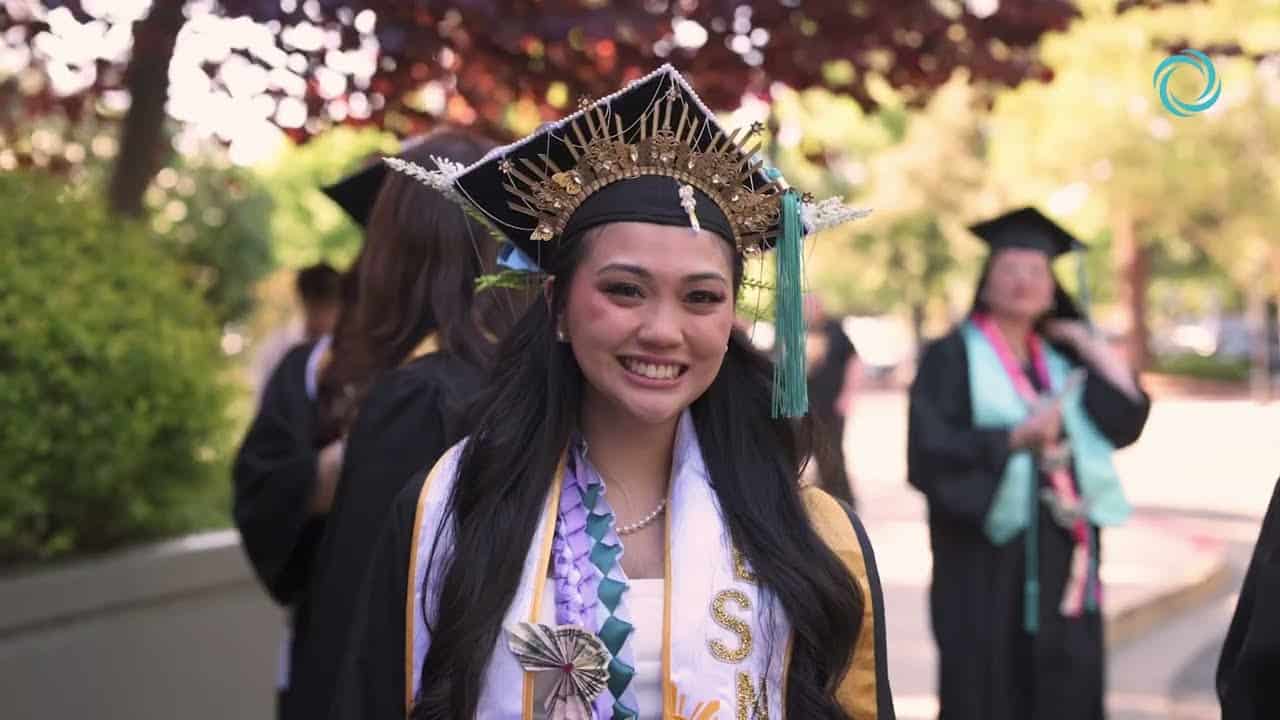
By the time I finished at Unitek, I scheduled and took my NCLEX within a month. I passed on my first time, all thanks to Unitek.
Almoss M.Unitek College of Nursing Graduate
Pass the NCLEX-RN Exam with Support
From your first class to your final review, you’ll have access to comprehensive NCLEX preparation tools, personalized coaching, and practice assessments designed to build confidence and improve outcomes. Our goal is simple: to help you pass on your first try.
Gain experience in real clinical settings
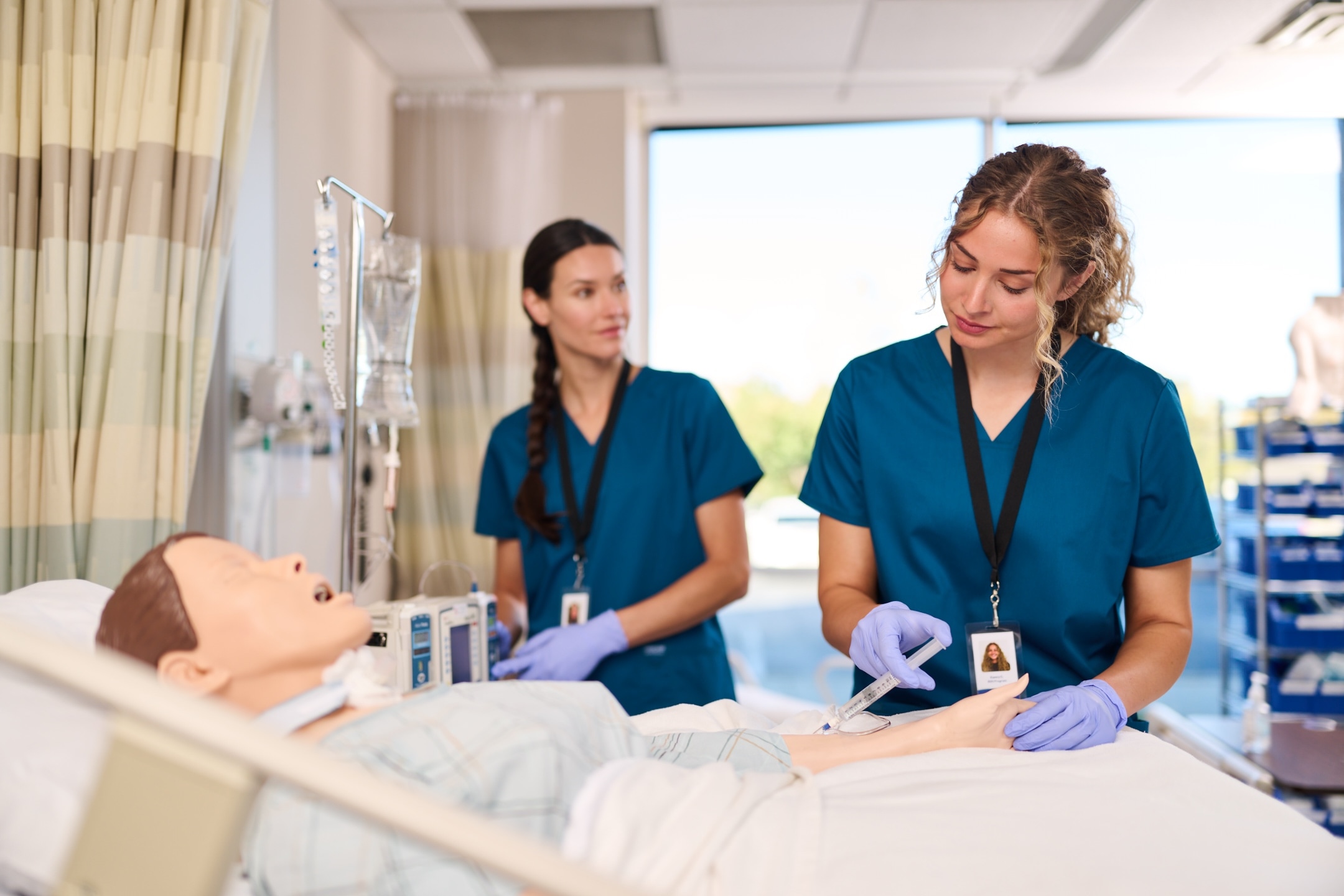
Apply what you’ve learned in hospitals, clinics, and community health environments under the guidance of experienced nursing professionals. These hands-on rotations give you real-world insight and confidence to care for patients from day one.
Train in modern labs and simulation centers
Our modern skills labs and simulation centers mirror real healthcare environments, complete with lifelike patient manikins and modern equipment. You’ll practice critical procedures, sharpen decision-making, and refine your teamwork skills in a safe, supportive setting.
Explore tuition and financial aid options
Investing in your future shouldn’t be stressful. Our Financial Aid team will walk you through every option, from grants and scholarships to federal aid and flexible payment plans, so you can focus on your education with confidence.
Frequently Asked Questions
Tuition varies by campus and program track. Your admissions advisor can walk you through the financial aid options available, the current cost breakdown, and any additional fees before you apply.
Unitek College of Nursing offers a variety of financial aid opportunities for those who qualify, including federal grants, student loans, and scholarships. Our Financial Aid team will help you explore all available options.
Yes. We offer flexible payment plans to make your nursing education more affordable and manageable.
From financial counseling to academic tutoring and career placement assistance, our student services team is here to help you every step of the way.
We recommend completing your FAFSA application as early as possible, ideally before your program start date, in order to maximize your funding opportunities.
Yes. Unitek College of Nursing evaluates transcripts from accredited institutions to determine which credits can be applied toward your BSN program requirements.
Submit your official transcripts for a free evaluation. Our admissions team will review them and provide a clear summary of which credits may transfer.
Yes. Credits earned at Brookline College or Eagle Gate College can potentially be transferred within the Unitek Learning network, depending on course equivalency.
If you’ve already earned an associate degree in vocational or practical nursing, you may qualify for our LVN to BSN pathway. This option allows you to apply previous coursework and clinical experience toward your Bachelor of Science in Nursing degree, saving time, reducing costs, and helping you advance from Licensed Vocational Nurse to Registered Nurse more efficiently.
Applicants must provide proof of high school education or equivalent, meet minimum scores on entrance exams, complete an interview with the Program Director, and pass a background check and drug screening before clinical training.
No prior healthcare experience is required. Our BSN program is designed to teach you everything you need to know to start your nursing career.
Application fees vary by campus. Your Admissions Advisor will provide details when you begin the application process.
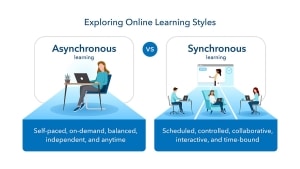
Our BSN program features a hybrid format, combining online coursework for flexibility with on-campus labs and in-person clinical rotations for hands-on learning.
You can earn your Bachelor of Science in Nursing in as few as 3 years, depending on your enrollment status, credit transfers, and pathway. In contrast, other traditional BSN programs usually take 4 years to complete.
At Unitek College of Nursing, students have access to dedicated faculty coaching and tutoring services across every stage of their nursing education.
A Bachelor of Science in Nursing (BSN) prepares you for RN licensure and advanced roles in patient care, leadership, and public health.
You don’t need a bachelor’s degree to become an RN. But a BSN provides the education and clinical foundation needed for career advancement, higher earning potential, and eligibility for leadership and specialized nursing roles.
You’ll complete supervised clinical rotations in hospitals, clinics, and community healthcare settings, gaining real-world experience with diverse patient populations.
In addition to all the standard duties of an RN, BSN graduates qualify for a range of positions, including roles in management, research, teaching, and specialties such as palliative care, OB/GYN, pediatrics, surgery, and the ICU.
An RN is a professional license, while a BSN is the degree that often leads to it. Earning a BSN can expand your career opportunities and prepare you for advanced study or leadership roles.
An Associate Degree in Nursing (ADN) usually requires two years of study. A BSN degree, on the other hand, might require three or four years of study. This is because a BSN degree may build a greater foundation for career advancement.
Our curriculum integrates NCLEX prep tools, ATI practice exams, and faculty mentorship to help you feel confident and ready for the licensing exam.
According to the BLS, employment for Registered Nurses is projected to grow 5 percent from 2024 to 2034, faster than average for all occupations.*
Yes. BSN-prepared nurses generally have higher earning potential and more opportunities for advancement compared to those with an associate degree. According to NursingProcess.org, the average salary of an RN with an associate degree is $80,660, while the average salary for a BSN holder is $92,560 per year. Salaries can vary depending on healthcare setting, geographic location, level of experience, and certifications.
*These placement rates are based on program-specific and campus-specific data reported to our institutional accreditor(s) in 2024. While the figures shown here are not separately reported to our accreditor, they are derived from those outcomes. For full details by program and campus, please visit our Disclosures page.
Tuition varies by campus and program track. Your admissions advisor can walk you through the financial aid options available, the current cost breakdown, and any additional fees before you apply.
Unitek College of Nursing offers a variety of financial aid opportunities for those who qualify, including federal grants, student loans, and scholarships. Our Financial Aid team will help you explore all available options.
Yes. We offer flexible payment plans to make your nursing education more affordable and manageable.
From financial counseling to academic tutoring and career placement assistance, our student services team is here to help you every step of the way.
We recommend completing your FAFSA application as early as possible, ideally before your program start date, in order to maximize your funding opportunities.
Yes. Unitek College of Nursing evaluates transcripts from accredited institutions to determine which credits can be applied toward your BSN program requirements.
Submit your official transcripts for a free evaluation. Our admissions team will review them and provide a clear summary of which credits may transfer.
Yes. Credits earned at Brookline College or Eagle Gate College can potentially be transferred within the Unitek Learning network, depending on course equivalency.
If you’ve already earned an associate degree in vocational or practical nursing, you may qualify for our LVN to BSN pathway. This option allows you to apply previous coursework and clinical experience toward your Bachelor of Science in Nursing degree, saving time, reducing costs, and helping you advance from Licensed Vocational Nurse to Registered Nurse more efficiently.
Applicants must provide proof of high school education or equivalent, meet minimum scores on entrance exams, complete an interview with the Program Director, and pass a background check and drug screening before clinical training.
No prior healthcare experience is required. Our BSN program is designed to teach you everything you need to know to start your nursing career.
Application fees vary by campus. Your Admissions Advisor will provide details when you begin the application process.
Our BSN program features a hybrid format, combining online coursework for flexibility with on-campus labs and in-person clinical rotations for hands-on learning.
You can earn your Bachelor of Science in Nursing in as few as 3 years, depending on your enrollment status, credit transfers, and pathway. In contrast, other traditional BSN programs usually take 4 years to complete.
At Unitek College of Nursing, students have access to dedicated faculty coaching and tutoring services across every stage of their nursing education.
A Bachelor of Science in Nursing (BSN) prepares you for RN licensure and advanced roles in patient care, leadership, and public health.
You don’t need a bachelor’s degree to become an RN. But a BSN provides the education and clinical foundation needed for career advancement, higher earning potential, and eligibility for leadership and specialized nursing roles.
You’ll complete supervised clinical rotations in hospitals, clinics, and community healthcare settings, gaining real-world experience with diverse patient populations.
In addition to all the standard duties of an RN, BSN graduates qualify for a range of positions, including roles in management, research, teaching, and specialties such as palliative care, OB/GYN, pediatrics, surgery, and the ICU.
An RN is a professional license, while a BSN is the degree that often leads to it. Earning a BSN can expand your career opportunities and prepare you for advanced study or leadership roles.
An Associate Degree in Nursing (ADN) usually requires two years of study. A BSN degree, on the other hand, might require three or four years of study. This is because a BSN degree may build a greater foundation for career advancement.
Our curriculum integrates NCLEX prep tools, ATI practice exams, and faculty mentorship to help you feel confident and ready for the licensing exam.
According to the BLS, employment for Registered Nurses is projected to grow 5 percent from 2024 to 2034, faster than average for all occupations.*
Yes. BSN-prepared nurses generally have higher earning potential and more opportunities for advancement compared to those with an associate degree. According to NursingProcess.org, the average salary of an RN with an associate degree is $80,660, while the average salary for a BSN holder is $92,560 per year. Salaries can vary depending on healthcare setting, geographic location, level of experience, and certifications.
*These placement rates are based on program-specific and campus-specific data reported to our institutional accreditor(s) in 2024. While the figures shown here are not separately reported to our accreditor, they are derived from those outcomes. For full details by program and campus, please visit our Disclosures page.
*Please note that wage data provided by the Bureau of Labor Statistics (BLS) or other third-party sources may not be an accurate reflection of all areas of the country, may not account for the employees’ years of experience, and may not reflect the wages or outlook of entry-level employees, such as graduates of our program (accessed on 3/17/2026).